
Shiraz Market A Treasure of Culture
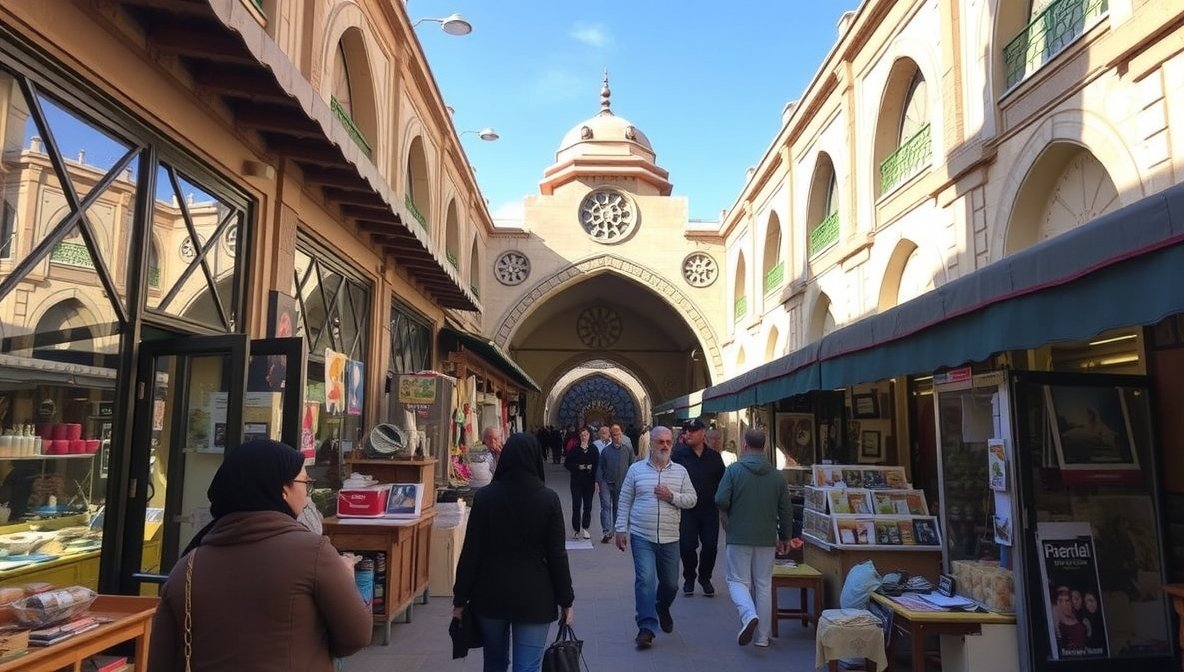
When you travel to Shiraz Market, a beautiful city in southern Iran, one of the first things people will tell you is, “Don’t miss the market.” The Shiraz Market, also known as Vakil Bazaar, is more than just a place to shop. It is a place full of history, colors, smells, and sounds. Walking inside feels like stepping back in time, while still being part of a lively modern culture.
I still remember my first visit. The warm air smelled of saffron and fresh spices. The walls were covered with Persian carpets, shining like pieces of art. Shopkeepers smiled as they invited me to look closer at their goods. It felt like every corner of the market had a story to tell.
In this article, I want to take you inside the heart of Shiraz Market. Together, we will explore its history, culture, food, shopping tips, and hidden secrets. Whether you are a traveler, a history lover, or just curious about Persian culture, this guide will help you understand why Shiraz Market is truly one of the most magical bazaars in the world.
The History of Shiraz Market
Shiraz Market, or Vakil Bazaar, was built during the 18th century by Karim Khan Zand, the ruler of Shiraz. He wanted to make Shiraz the capital of his kingdom, and for that, he needed a grand market where trade could grow. The bazaar quickly became one of the busiest centers of commerce in Iran.
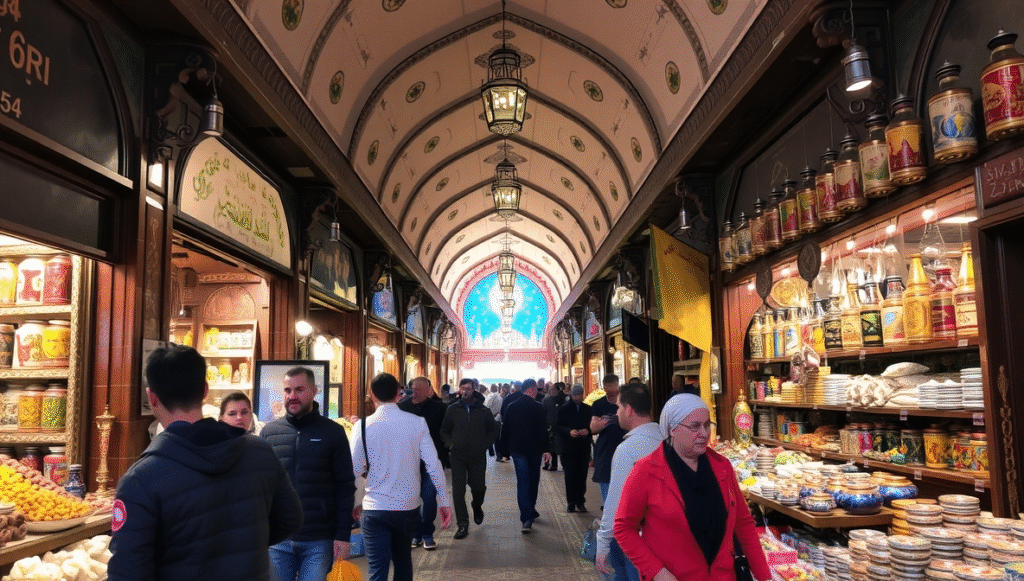
What makes it unique is the design. The ceilings are high and curved, letting in light and keeping the place cool even in hot summers. The walls are decorated with old Persian patterns, reminding you of stories from hundreds of years ago. Many of the shops here have been in the same family for generations. Fathers passed them to sons, and sons to grandsons.
When I walked through the bazaar for the first time, I could almost feel the footsteps of traders who once carried silk, spices, and jewelry from distant lands. The sound of their bargaining still seemed to echo through the long corridors. This connection to the past makes Shiraz Market not just a shopping place, but also a living museum.
Colors, Smells, and Sounds of the Market
One of the things that makes Shiraz Market unforgettable is the way it plays with your senses. As soon as you step inside, you are surrounded by bright colors, warm smells, and cheerful sounds.
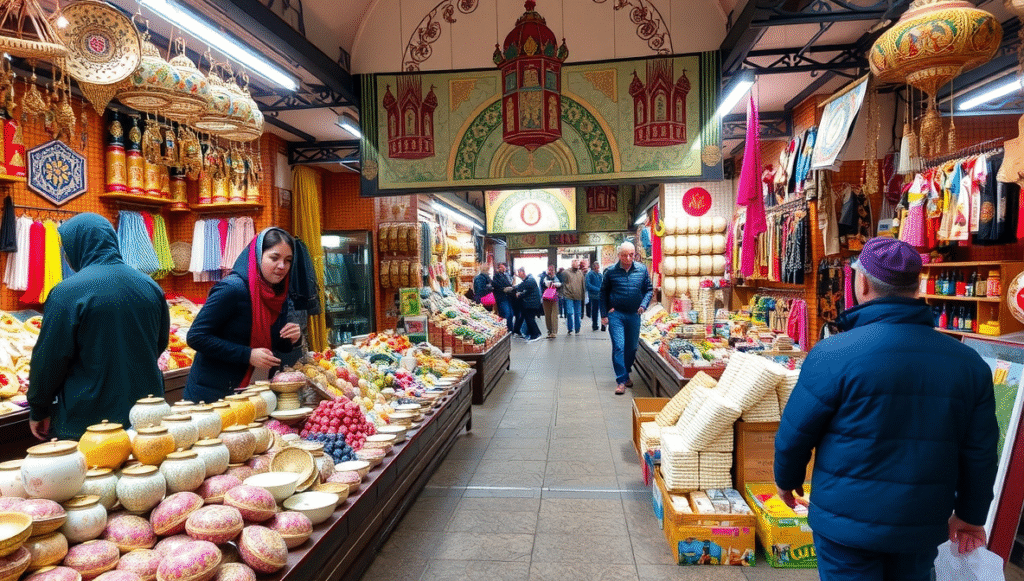
- The colors: Everywhere you look, there are carpets with deep reds, blues, and golds. Shops display shiny copper pots, silver jewelry, and rows of colorful spices in open sacks.
- The smells: The air is filled with saffron, cinnamon, rosewater, and dried herbs. You don’t just see the market; you breathe it in.
- The sounds: Shopkeepers call out friendly greetings, inviting you to take a look. Some sing softly as they work. The chatter of buyers mixes with the sound of coins and the laughter of children.
When I closed my eyes for a moment, I could almost paint a picture just from the sounds and smells. That is the true beauty of Shiraz Market—you don’t just shop, you feel the life of Shiraz beating around you.
Treasures You Can Find in Shiraz Market
If you go to Shiraz Market, you will find more than just “things to buy.” Each item feels like a piece of Persian culture. Some of the most popular treasures include:
- Persian Carpets: Handwoven, detailed, and full of meaning. Each design tells a story.
- Spices and Herbs: From saffron to dried rose petals, you can bring home the taste of Iran.
- Copper and Silverware: Handmade dishes, trays, and teapots that shine like jewels.
- Handicrafts: From pottery to wood carvings, every piece is unique.
- Clothes and Scarves: Light fabrics, often with Persian designs, that make beautiful gifts.
I bought a small Persian rug during my visit. It wasn’t just a carpet for my home—it was a memory, a reminder of my time in Shiraz. Every time I look at it, I remember the kind old man who sold it to me, who told me it took his family months to weave. That is the real magic of shopping in Shiraz Market.
The Food Experience at Shiraz Market
Markets are never complete without food, and Shiraz Market is no different. Walking through the bazaar, you will find small stalls and shops selling traditional Persian food.
The local sweets are amazing. Shirazi nougat, known as Gaz, melts in your mouth. Saffron ice cream is cold, golden, and full of flavor. And don’t forget Faludeh, a Shiraz specialty made of thin noodles with rosewater and lime—it’s refreshing, especially on a hot day.
I sat down in a small tea shop in the bazaar once. The owner brought me a glass of hot black tea with sugar cubes. Around me, old men were sitting, talking about life, and playing backgammon. It wasn’t just about the tea—it was about feeling part of the Shiraz community, even for a short while.
Culture and Traditions in Shiraz Market
Shiraz is known as the “City of Poets and Gardens.” Its people are warm, friendly, and love to share their culture. The market is a reflection of this spirit.
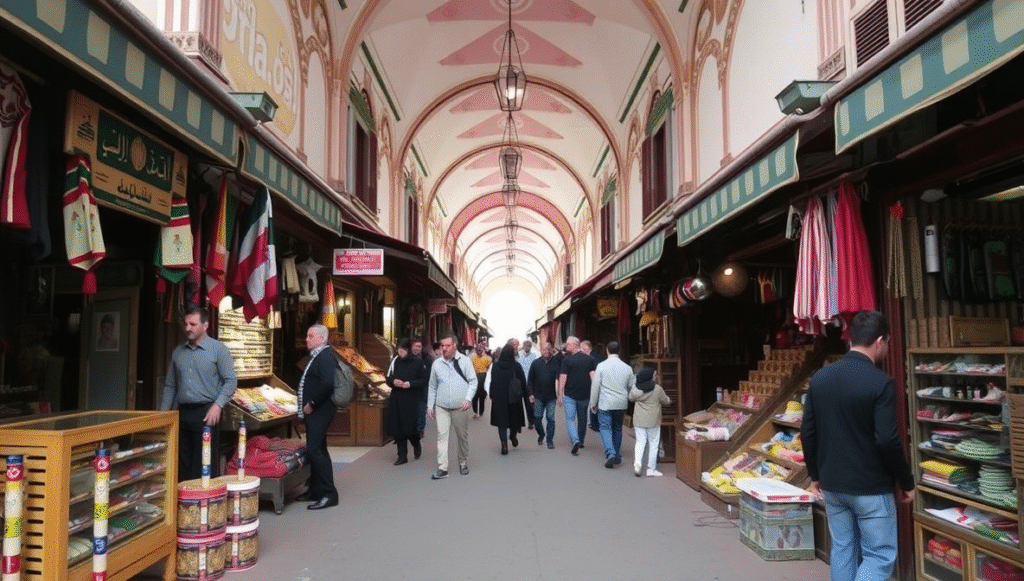
Walking through the bazaar, I noticed that people don’t just come here to shop—they come to meet friends, share news, and keep traditions alive. Some families visit the same shops every week, supporting local sellers. The market is also full of art, from calligraphy to poetry carved into decorations.
The shopkeepers are not just sellers—they are storytellers. Many will explain the history of their craft, the meaning of patterns on a carpet, or the secret behind a spice mix. This personal touch makes shopping here different from anywhere else in the world.
Tips for Visiting Shiraz Market
If you plan to visit Shiraz Market, here are some simple tips from my own experience:
Best Time to Visit
The market is busiest in the mornings and evenings. Midday can be very hot, so it’s better to go early or later.
Bargaining
In Shiraz Market, bargaining is normal and expected. Don’t be shy—it’s part of the culture. But always bargain with a smile, and respect the seller.
What to Wear
Since the bazaar is a traditional place, dress modestly. Light, comfortable clothes are best, especially in summer.
Bring Cash
Many shops prefer cash over cards. Carrying some local currency will make shopping easier.
Try Local Food
Don’t just shop—taste. Whether it’s saffron tea, Faludeh, or dried fruits, the food is as much a part of the experience as the shopping.
Why Shiraz Market is More Than Shopping
What makes Shiraz Market stand out is not just the products. It’s the feeling you get when you walk through its corridors. It’s the connection between past and present, between seller and buyer, between tradition and modern life.
I’ve visited many markets around the world, but Shiraz Market holds a special place in my heart. It feels alive. It makes you slow down and appreciate the beauty of simple things—a cup of tea, a handmade rug, or just a friendly conversation.
Conclusion: A Journey You Should Not Miss
If you ever travel to Iran, don’t leave without visiting Shiraz Market. It is not just a market—it is a piece of Persian culture, a museum of traditions, and a living story that continues every day.
When I left Shiraz, I carried souvenirs in my bag, but the real treasure was the memory of the people, the smells, the colors, and the spirit of the market. That is something no money can buy.
So, if you want to see the heart of Shiraz, go to its market. Let yourself get lost in its alleys, talk to the shopkeepers, taste the food, and feel the history around you. It will be an experience you will never forget.
FAQs
1. What is Shiraz Market famous for?
Shiraz Market, also known as Vakil Bazaar, is famous for its Persian carpets, spices, handicrafts, copperware, and traditional food. It is also a cultural hub where you can experience the history and traditions of Shiraz.
2. Is Shiraz Market the same as Vakil Bazaar?
Yes, Shiraz Market is often called Vakil Bazaar. It was built in the 18th century by Karim Khan Zand and remains one of the most popular bazaars in Iran.
3. What can I buy in Shiraz Market?
Visitors can buy Persian carpets, saffron, rosewater, handicrafts, pottery, silverware, and local sweets. Many items are handmade and carry the traditions of Persian culture.
4. What food should I try in Shiraz Market?
Don’t miss Faludeh Shirazi, saffron ice cream, Gaz (Persian nougat), and traditional black tea. You can also try dried fruits and nuts, which are fresh and full of flavor.
5. When is the best time to visit Shiraz Market?
The best times to visit are in the morning or evening when the weather is cooler and the bazaar is lively. Midday can be hot and crowded.


